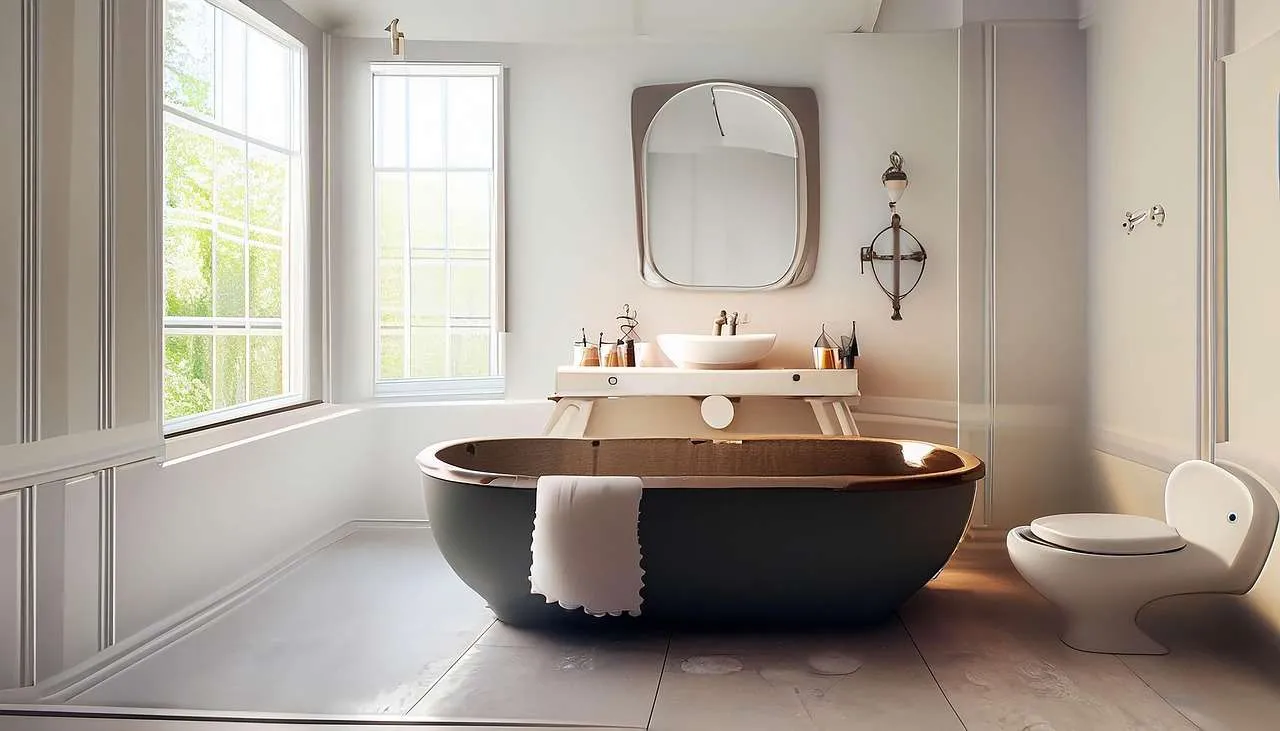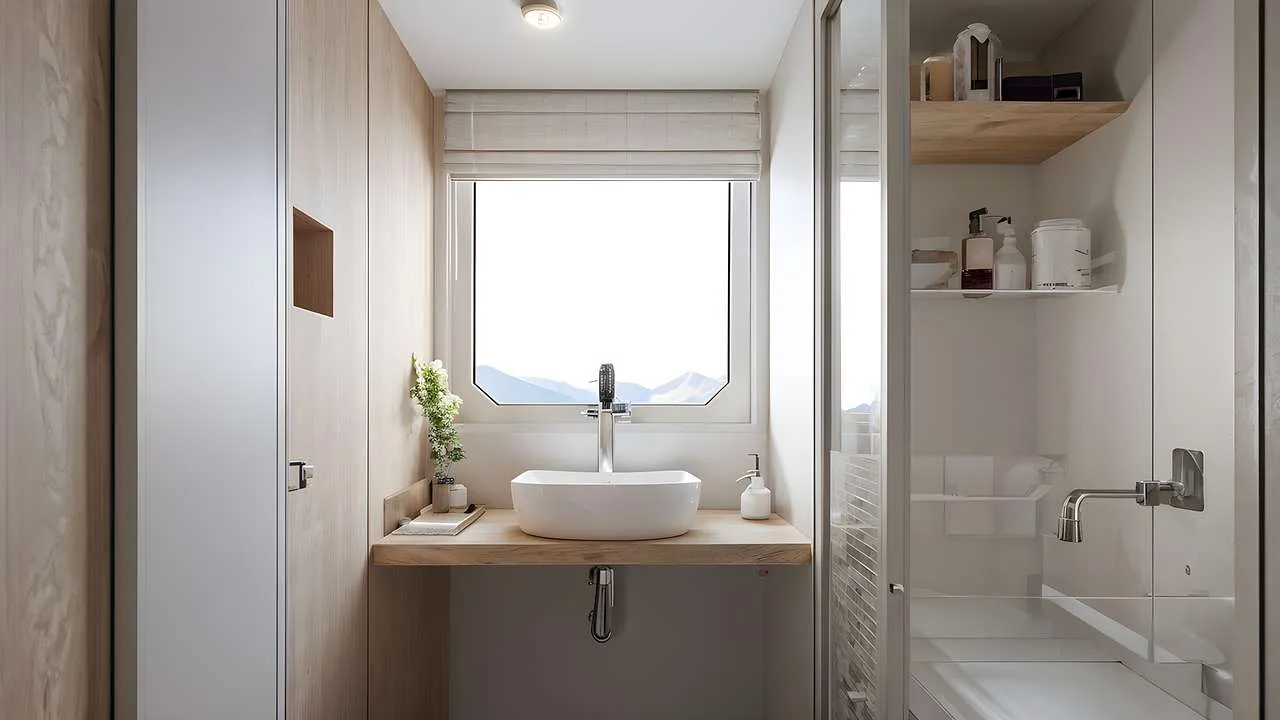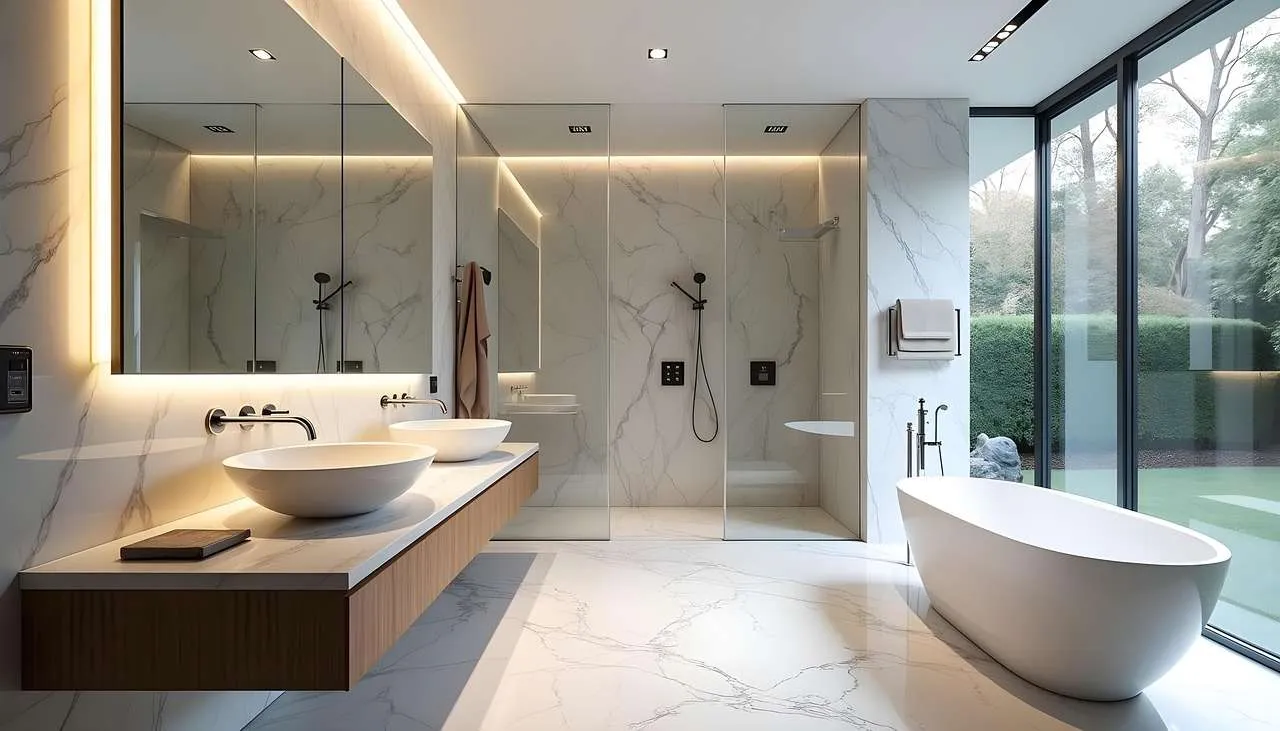
Choosing bathroom tiles is a cornerstone of both style and function in any bathroom renovation. The right tiles resist moisture, simplify cleaning, and complement lighting and fixtures. This guide covers popular materials, design patterns, installation tips, maintenance, and budget considerations to help you achieve a durable, beautiful space.
Popular tile materials for bathrooms
Bathroom tiles come in a range of materials, each with distinct performance characteristics. Your choice should balance moisture resistance, durability, slip resistance, and aesthetic goals. Below are the most common options used in modern bathrooms.
Porcelain tiles
Porcelain is a dense, low-porosity ceramic tile with water absorption typically below 0.5%. It performs exceptionally well in wet areas, resists wear, and accepts a wide range of finishes. Porcelain is ideal for floors and shower walls, offering long-term durability, color stability, and a modern look. While often more expensive than ceramic, its longevity and resistance to staining justify the investment in many homes.
Ceramic tiles
Ceramic tiles are versatile, affordable, and available in an extensive palette of colors and textures. Glazed ceramic is well suited for walls, backsplashes, and light-use floors. They’re easier to cut and install, but are generally softer and less water-resistant than porcelain, so reserve them for drier zones or low-traffic bathrooms where cost efficiency matters.
Natural stone
Natural stone such as marble, travertine, or slate offers a premium, timeless aesthetic with unique veining and texture. Stone requires sealing to reduce porosity and stains and may need more maintenance to protect against moisture and etching. It shines in showers, vanity walls, and decorative accents where a classic or spa-like atmosphere is desired.
Glass and glass mosaic tiles
Glass tiles add light reflection and a sense of space, especially in small bathrooms. Glass mosaic sheets are popular for shower niches, backsplashes, and feature walls. They can be slippery when wet if used on floors, so reserve them for walls or use with a slip-resistant add-on on floors. Glass mosaics are available in countless colors and can create striking focal points.
Large-format and other specialty tiles
Large-format tiles reduce grout lines, creating a seamless look that works well in contemporary bathrooms and open spaces. They require a flat, well-prepared substrate and precise leveling. Specialty tiles like metallic accents, wood-look porcelain, or textured surfaces can add character while preserving moisture resistance and durability.
Design styles and patterns
Tile patterns dramatically influence the perceived space and maintenance needs. Some popular options include:
- Subway or brick pattern for a timeless, versatile look.
- Herringbone or chevron for movement and visual interest.
- Mosaic borders and patterns to add texture and personality.
- Large-format layouts to minimize grout lines and create a clean, modern aesthetic.
Color and finish choices also affect mood and practicality. Matte finishes tend to hide water spots and soap scum better than high-gloss surfaces, while light colors can make a small bathroom feel more open. In damp spaces, consider slightly lighter grout tones to reduce visible grout lines and ongoing cleaning effort.
Durability, maintenance, and installation tips
Durability and maintenance are critical when selecting bathroom tiles. For wet areas, prioritize tiles with low water absorption, slip resistance on floors, and durable glazing on walls. Epoxy grout offers higher stain resistance and easier cleaning than cementitious grout but may be pricier and requires professional application. Natural stone requires sealing and periodic resealing; porcelain and ceramic generally require minimal maintenance beyond routine cleaning.
Important installation notes include ensuring a flat, stable substrate, using a waterproof membrane behind walls or shower benches, and allowing for proper movement joints. A qualified tile installer or licensed contractor should handle complex layouts, large-format tiles, or installations in multi-story homes to meet local building codes and ensure long-term performance. Always follow manufacturer guidelines for thin-set mortars, grouts, and sealants to maximize tile life.
Choosing the right bathroom tiles for your space
To select wisely, assess moisture exposure, foot traffic, and maintenance willingness. For floors in showers and baths, porcelain or glazed ceramic with appropriate slip resistance is typically best. For walls, glass, ceramic, or porcelain offer a balance of durability and design flexibility. If you crave a luxury feel, natural stone or premium glass mosaics can elevate the space—just plan for sealing, care, and higher initial costs. Budget, installer availability, and substrate condition will influence final decisions, so gather samples and request professional opinion before purchasing.
Maintenance and cost considerations
Maintenance routines should align with tile type. Porcelain and ceramic floors are low maintenance, requiring regular sweeping and mild weekly cleaning. Sealing is usually unnecessary for porcelain but essential for natural stone or unglazed surfaces. Glass tiles can require gentle cleaning to prevent soap buildup without scratching the surface. Grout color and type (epoxy vs cementitious) impact cleaning frequency and stain resistance; epoxy grout offers superior stain resistance in wet rooms but may be less forgiving in some substrates and installation scenarios.
Cost varies by material, size, and complexity. Porcelain and ceramic tiles provide good value, while natural stone and high-end glass mosaics introduce premium costs for materials and professional installation. Factor in substrate prep, waterproofing, underlayment, and potential waste when budgeting. Request written quotes from reputable tile contractors and verify their licensing, insurance, and references to uphold EEAT standards of trust and expertise.
Comparison of common tile types
| Tile Type | Pros | Cons | Best Use |
|---|---|---|---|
| Porcelain | Very durable, low water absorption, wide finish options | Higher cost than basic ceramic | Floors and showers in busy, moist bathrooms |
| Ceramic | Affordable, color variety, easy to cut | Less dense than porcelain, may stain with heavy use | Walls, backsplashes, light-traffic floors |
| Natural Stone | Premium look, unique veining | Requires sealing, more maintenance | Showers, vanity walls, decorative accents |
| Glass Mosaic | Reflects light, modern accents | Delicate, can be slippery on floors | Showers, backsplashes, feature walls |
| Large-Format | Fewer grout lines, contemporary look | Requires perfectly flat substrate | Bathrooms with wide spaces, seamless walls/floors |
Finally, energy and water efficiency considerations matter. Tiles themselves are durable and long-lasting, which supports sustainability when paired with proper installation and maintenance. Choose reputable brands and installers, verify product warranties, and ensure proper moisture management in your bathroom design to maximize EEAT-compliant results.
Conclusion, a well-chosen mix of bathroom tiles can deliver durability, beauty, and a space that stays stylish for years. Prioritize moisture resistance for wet zones, select finishes that suit your lifestyle, plan for professional installation, and establish a maintenance routine that preserves color, grout integrity, and slip resistance over time.
Summary, selecting bathroom tiles is a balance of moisture resistance, aesthetics, and practicality. Porcelain and ceramic cover most budgets; natural stone or glass add signature style; proper installation and sealing protect longevity; maintenance tips help preserve color and finish. Always consult a licensed tile installer to ensure your subfloor and moisture management meet local codes.