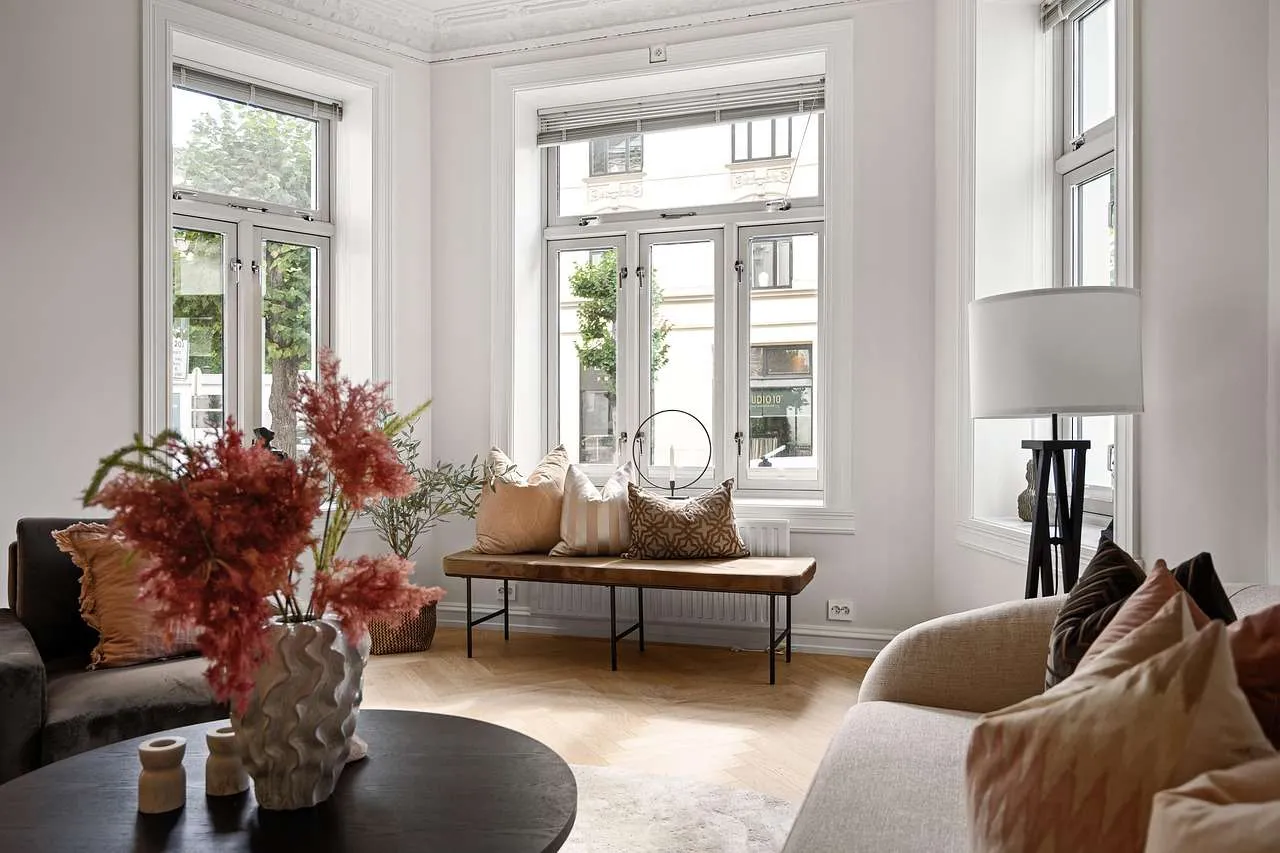
Home window tinting is a practical upgrade for residential glass that helps control heat, UV exposure, and glare while improving privacy and comfort. When approached with expertise and transparency, it can deliver noticeable energy savings and asset protection. This guide covers how tinting works, the main film types, steps to choose a reputable installer, typical costs, and maintenance tips to maximize results.
What is home window tinting?
Home window tinting involves applying a thin multi layer film to the interior surface of glass. The film reduces solar heat gain, blocks most UV rays, and lowers glare without sacrificing too much natural light. Modern films are engineered to balance light transmission with performance, and they are installed by trained technicians who ensure a clean, bubble free finish. A quality installation often includes warranties for both the film and the workmanship, which is a key part of EEAT in the window tinting industry.
Benefits of home window tinting
- Energy efficiency and comfort by reducing cooling loads in summer and improving overall indoor climate
- UV protection to prevent fading of furniture, flooring, and artwork
- Glare reduction for screens, reading, and perceived brightness
- Enhanced privacy during daytime while maintaining outward visibility
- Added safety by helping hold shattered glass together in breakage scenarios
Energy savings and comfort
UV blocking and heat rejection are the two primary performance drivers. Ceramic and carbon based films typically offer the strongest combined UV and IR blocking, which translates to cooler interiors and less reliance on air conditioning during hot seasons. Expect gradual payback over time through lower energy bills and improved indoor comfort, especially on sunny elevations.
UV protection and furniture preservation
Most residential window films block 99 percent or more of UV radiation. This protection helps preserve fabrics, wood finishes, and artwork from fading, while also reducing potential skin exposure when you spend extended periods near windows.
Glare reduction and privacy
Tint levels vary by film type and local regulations. A mid range VLT helps reduce glare without making rooms feel dark in daytime. For higher privacy, opt for darker tint or strategic installation on certain windows while preserving outdoor views on others.
Choosing the right film for home window tinting
Different film technologies offer distinct advantages. The table below compares common options, helping you align performance with budget and aesthetics.
| Film Type | UV Rejection | IR/Heat Rejection | Visible Light Transmission | Durability | Estimated Cost per sq ft |
|---|---|---|---|---|---|
| Dyed | High | Moderate | 40 60% | Medium | 2 4 |
| Metalized | High | High | 30 60% | High | 3 5 |
| Ceramic | Excellent | Excellent | 40 70% | Very High | 5 8 |
| Carbon | Excellent | High | 35 60% | High | 4 7 |
| Hybrid | Good | Good | 40 65% | Medium-High | 4 6 |
Note that different brands may present slightly different specifications. Always request a performance data sheet and confirm warranty terms before purchasing.
How to select a reputable installer
To align with EEAT standards, prioritize installers who demonstrate expertise, credibility, and trustworthiness. Consider the following steps:
- Verify licenses and certifications
- Ask for a portfolio with before and after photos and in person or virtual consultations
- Request written quotes, warranty details, and an on site measurement
- Check reviews, testimonials, and any energy audit reports if available
- Discuss removal of existing tint and post installation care
A competent installer will also explain how local rules may affect tint darkness and provide a clear warranty for both film and installation workmanship.
Costs and return on investment
Costs vary by window size, film type, number of windows, and labor rates. Typical ranges per square foot are provided as a guideline. Larger or irregularly shaped panes may incur additional charges. While ceramic and carbon films command higher upfront prices, they often deliver greater energy savings and longer durability, which can improve long term ROI. When evaluating quotes, consider long term energy savings, reduced fading, increased comfort, and the added value of a professionally installed system with a solid warranty.
Maintenance and care
Maintenance is straightforward. Use a soft microfiber cloth and a non ammonia cleaner or plain water. Avoid abrasive tools that can scratch the film. Periodically inspect edges for peeling and schedule professional checks after harsh weather events or temperature swings. Proper maintenance helps preserve appearance and performance over the life of the film.
Conclusion
Conclusion, home window tinting offers measurable benefits in energy efficiency, UV protection, glare control, and privacy. By choosing the right film type, hiring a reputable installer, and performing regular maintenance, you can maximize comfort and ROI while complying with local regulations. Start with a professional in home assessment, review performance data sheets, and request a transparent warranty to ensure a trustworthy investment.